
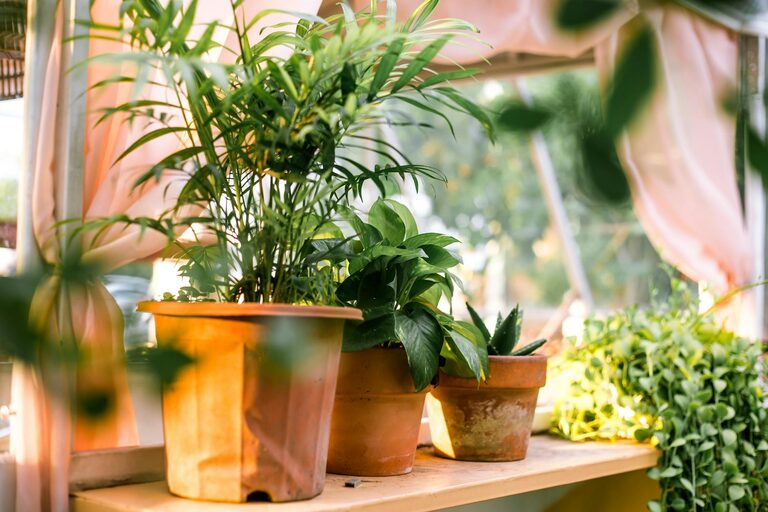
Bringing houseplants into your living space is a wonderful way to add life, color, and a touch of nature indoors. However, keeping these green friends healthy requires some basic attention and care. Whether you are a beginner or have a growing collection of plants, knowing how to properly care for them ensures they thrive and continue to brighten your home.
In this post, we’ll share practical tips for maintaining healthy houseplants, covering everything from watering to lighting and pest control.
Understanding Your Plant’s Needs
Every plant species has its own requirements, but all houseplants need the right balance of light, water, nutrients, and air circulation.
Research Before You Buy
Before bringing a plant home, learn about its preferred conditions. Is it a low-light lover like a snake plant, or does it thrive in bright, indirect light like a fiddle leaf fig? Checking these preferences helps you select the best spot in your home.
Know the Light Levels
– Bright light: Near south or west-facing windows.
– Indirect light: East-facing windows or shaded spots.
– Low light: Rooms further from windows or corners.
Adjust your plant’s location to match its light needs to prevent issues like leaf burn or stunted growth.
Proper Watering Techniques
Watering is one of the most common challenges for indoor gardeners.
Check Before You Water
Always check the soil moisture before watering. Stick your finger about an inch into the soil:
– If it feels dry, it’s time to water.
– If it’s still moist, wait a few days.
Overwatering is a common cause of root rot and other problems.
Watering Tips
– Use room-temperature water.
– Water thoroughly until water drains from the pot’s bottom.
– Ensure pots have drainage holes to prevent waterlogging.
– Avoid letting plants sit in standing water.
Seasonal Adjustments
Plants may need less water during winter months when growth slows down and more during warm, active growing periods.
Feeding Your Plants
Just like any living thing, houseplants need nutrients to grow well.
Use Fertilizer Wisely
– Apply a balanced, water-soluble fertilizer every 4–6 weeks during the growing season (spring and summer).
– Reduce or stop fertilizing in fall and winter when most plants rest.
– Follow the instructions on fertilizer packaging to avoid overfeeding.
Repotting and Soil Care
Plants can outgrow their pots, which affects their health.
When to Repot
Signs it’s time to repot:
– Roots growing out of drainage holes.
– Soil dries out very quickly.
– Plant appears crowded or root-bound.
Choose a pot 1-2 inches larger in diameter and use fresh, quality potting soil.
Choosing the Right Soil
Different plants prefer different soil types:
– Succulents need well-draining soil.
– Tropical plants prefer moisture-retentive, rich soil.
Tailoring your soil mix helps maintain appropriate moisture levels.
Managing Pests and Diseases
Houseplants can occasionally be affected by pests like spider mites, aphids, or mealybugs.
Early Detection
– Inspect leaves regularly.
– Look for discolored spots, webbing, or sticky residue.
Natural Remedies
– Wipe leaves with a damp cloth.
– Use insecticidal soap or neem oil sprays.
– Isolate affected plants to prevent spread.
Good airflow and avoiding overwatering reduce the chances of fungal diseases.
Maintaining the Environment
Plants thrive in comfortable, stable conditions.
Temperature and Humidity
– Most houseplants prefer temperatures between 65°F and 75°F (18°C–24°C).
– Increase humidity with a pebble tray, humidifier, or frequent misting, especially in dry environments.
Air Circulation
Good airflow helps prevent mold and fungus but avoid placing plants right in front of air vents or drafts.
Regular Maintenance
Keeping your plants healthy also means some routine care.
Cleaning Leaves
Dust can block light and reduce photosynthesis.
– Gently wipe large leaves with a damp cloth weekly.
– For small-leafed plants, a light shower or misting works well.
Pruning and Grooming
– Remove yellow or dead leaves promptly.
– Trim leggy growth to encourage fullness.
– Use clean, sharp scissors to prevent damage.
Final Thoughts
Growing houseplants is rewarding and can improve your mood and indoor air quality. By understanding your plants’ needs and providing consistent care, you create a thriving green oasis in your home. Remember: patience and attention go a long way in keeping your beloved plants vibrant and healthy.
Happy gardening!