
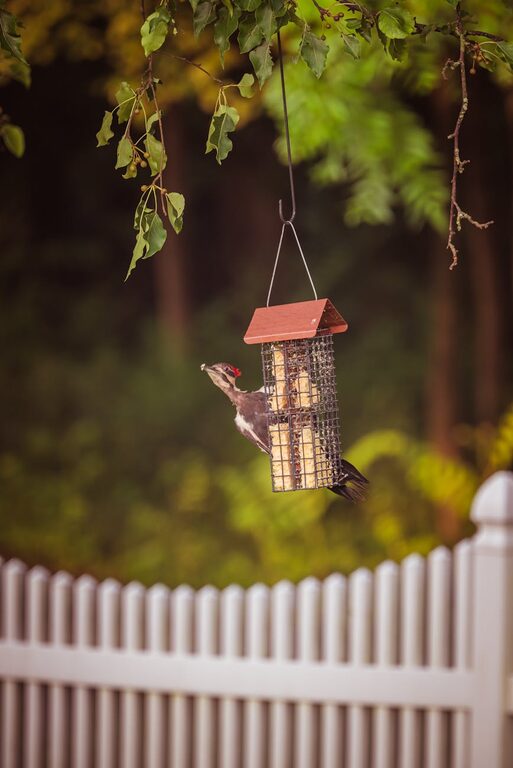
Birdwatching is a rewarding and peaceful hobby that anyone can enjoy right from their own backyard. Whether you have a small garden or a spacious yard, observing birds can connect you to nature and provide hours of entertainment. If you’re new to birdwatching, this guide offers beginner-friendly tips on how to get started, attract more birds, and identify what you see.
Why Birdwatching in Your Backyard?
Before diving into practical tips, let’s explore a few reasons why backyard birdwatching is a great choice for beginners:
– Accessibility: No need to travel far or hike into the wilderness.
– Cost-effective: Minimal investment—just some basic equipment and bird-friendly supplies.
– Relaxation: Watching birds can reduce stress and boost mood.
– Learning opportunity: Improve your knowledge of local wildlife and ecosystems.
With that in mind, here’s how you can turn your backyard into a bird-friendly haven.
Setting Up Your Backyard for Birdwatching
1. Choose the Right Spot for Watching
Find a comfortable place in your yard where you can sit quietly and observe birds. Common options include near a window, on a porch, or under a tree. Consider setting up a small seating area with a chair or bench.
Tip: Position the bird feeder or birdbath within view but not too close to high-traffic areas to avoid scaring the birds.
2. Provide Food to Attract Birds
One of the easiest ways to encourage birds to visit is by providing food. Different birds prefer different types of feed, so offering a variety can attract a diverse group.
– Birdseed mixtures: Look for blends with sunflower seeds, millet, and cracked corn.
– Suet: Attracts woodpeckers, nuthatches, and chickadees, especially in colder months.
– Fruit: Offer sliced apples, oranges, or berries for orioles and tanagers.
– Nectar: A solution of sugar water can attract hummingbirds in warmer seasons.
Use feeders designed to prevent messes and discourage unwanted animals such as squirrels.
3. Add Water Sources
Birds need fresh water for drinking and bathing. A birdbath or shallow dish with clean water can make your yard more inviting.
– Change the water daily to keep it clean.
– In winter, consider a heated birdbath to prevent freezing.
– Place the water source near natural cover like bushes or trees to help birds feel safe.
4. Create Shelter and Nesting Spots
Birds look for places to hide from predators and bad weather. Planting native shrubs, trees, and flowers can provide natural shelter.
– Add birdhouses suited for local species.
– Leave some leaf litter or brush piles for ground feeders.
– Avoid heavy pruning during nesting season to preserve cover.
Observing and Identifying Birds
1. Equip Yourself with Simple Tools
Although you can start birdwatching with just your eyes, some tools can enhance the experience:
– Binoculars: Look for lightweight models with 8x or 10x magnification.
– Field guidebooks or apps: These help identify species based on size, color, behavior, and habitat.
– Notebook or journal: Keep notes on the birds you see and any interesting observations.
2. Be Patient and Quiet
Birds are sensitive to noise and movement. Sitting quietly and minimizing sudden actions will increase your chances of seeing birds up close.
– Visit your spot during early morning or late afternoon when birds are most active.
– Avoid using bright colors or strong scents that might startle birds.
– Observe without disturbing the environment.
3. Learn Common Local Species
Start by focusing on birds commonly found in your region. Look for distinctive features like beak shape, plumage color, size, and song.
Here are a few examples of common backyard birds in general:
– Northern Cardinal: Bright red (males) with a distinctive crest.
– American Robin: Orange belly and gray back.
– Blue Jay: Blue feathers with white and black markings.
– House Finch: Red plumage on the male’s head and chest.
– Mourning Dove: Soft gray with a gentle cooing sound.
Respecting Nature and Birds
Remember that birdwatching is about enjoying and protecting wildlife. Here are some guidelines to follow:
– Never disturb nests or handling birds.
– Keep feeders clean to prevent disease.
– Avoid using pesticides or chemicals in your yard.
– Support conservation efforts by planting native species.
Joining the Birdwatching Community
As you gain experience, consider connecting with other bird enthusiasts. Many areas have local birdwatching groups, walks, and online forums where you can share sightings and learn more.
You can also participate in citizen science projects like the Christmas Bird Count or Audubon’s Great Backyard Bird Count. These activities help scientists monitor bird populations and contribute to conservation.
Final Thoughts
Starting backyard birdwatching is simple, affordable, and full of delight. By setting up a welcoming environment and taking time to observe patiently, you’ll soon notice a variety of feathered visitors bringing life to your outdoor space. So grab your binoculars and enjoy exploring the vibrant world of birds just outside your door!