
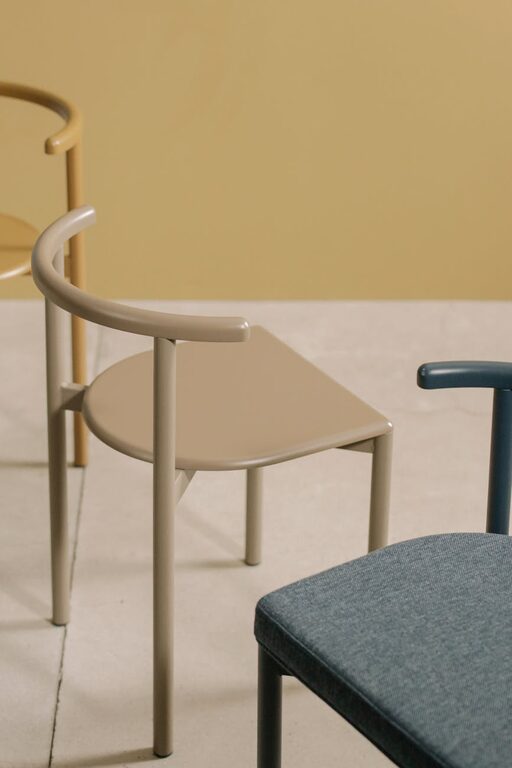
Creating a calm and inviting atmosphere in your home often begins with the colors you choose. Colors have the power to influence our mood, energy levels, and overall sense of well-being. If you’re aiming for a tranquil environment where you can relax and recharge, selecting the right calm colors is essential. This guide will walk you through practical tips to help you pick soothing hues that transform your living space into a peaceful retreat.
Why Choose Calm Colors?
Calm colors typically feature soft, muted tones that don’t overwhelm the senses. They can make rooms feel larger, more open, and comfortable. These colors encourage relaxation, reduce stress, and help balance energy in a room. Whether you’re decorating a bedroom, living room, or office, incorporating calm colors can positively impact your daily life.
Understanding Color Psychology
Before diving into color choices, it helps to understand a little about color psychology—the study of how colors affect human emotions and behavior. Here are some commonly calming color categories:
– Blues: Often associated with tranquility and stability, blues are a classic choice for calming interiors.
– Greens: Representing nature and renewal, greens promote balance and harmony.
– Neutrals: Whites, beiges, and soft grays provide a quiet backdrop that allows other elements to shine.
– Lavenders and Soft Purples: These carry a gentle, soothing vibe linked to relaxation.
– Pale Pinks: Subtle pinks can add warmth and a peaceful softness without being overpowering.
Tips for Choosing Calm Colors
1. Consider Your Room’s Purpose
Start by thinking about the main use of each room. Bedrooms may benefit from cool blues or soft greens for restful sleep, while living areas might feel inviting with warm neutrals and gentle pastels.
2. Test Colors in Different Lighting
Colors can look very different depending on natural and artificial light. Paint small patches on your walls and observe them during various times of day before making a final decision.
3. Use Muted and Soft Tones
Vibrant or highly saturated colors can be stimulating and detract from calmness. Instead, opt for muted pastels or colors with gray undertones to achieve a soothing effect.
4. Balance with Neutrals
Pair your calm colors with neutral shades like ivory, taupe, or soft gray to keep the overall look balanced and not too flat. Neutrals act as a perfect supporting cast.
5. Limit the Number of Colors
Using too many different colors can make a space feel chaotic. Stick to two or three main colors and complement them with textures and patterns for interest.
6. Consider Color Flow Throughout Your Home
Think about how colors transition from room to room. Maintaining a cohesive palette of calm colors can create a sense of harmony and flow throughout your living space.
Ideas for Calm Color Palettes
Here are some popular calming color combinations that work well in various rooms:
– Soft Blue & Warm White: Ideal for bedrooms and bathrooms, promoting relaxation and freshness.
– Sage Green & Light Gray: Perfect for living rooms, creating a balanced and inviting space.
– Lavender & Cream: A soothing pairing for cozy reading nooks or guest rooms.
– Pale Pink & Beige: Adds gentle warmth and softness to dining areas or bedrooms.
– Muted Taupe & Dusty Blue: Elegant and timeless for home offices or living spaces.
Beyond Paint: Using Calm Colors in Your Decor
If painting walls isn’t an option or you want to add more subtle touches, incorporate calm colors through:
– Textiles: Choose cushions, curtains, and rugs in soothing hues and soft fabrics.
– Artwork: Select prints or paintings featuring calm color schemes.
– Furniture: Light wood tones or upholstered pieces in muted shades enhance the atmosphere.
– Accessories: Lamps, vases, and decorative items can introduce gentle color highlights.
Final Thoughts
Choosing calm colors for your home is a wonderful way to create a peaceful sanctuary tailored to your needs. By thoughtfully considering your space, the natural lighting, and how colors interact, you can craft an environment that supports rest, relaxation, and rejuvenation. Remember, the best calm colors are the ones that resonate with you and make you feel at ease every time you walk through your door.
Start experimenting with these tips today, and enjoy the serenity that comes with a well-chosen color palette!